
Despite significant gains in global health, millions of children in low-income countries remain at high risk of preventable illness and death. Hands of Mercy (HoM) is committed to protecting the health and dignity of children by addressing both the causes and treatment of childhood disease.
Our approach emphasizes prevention as the first line of defense—including childhood immunization, exclusive breastfeeding, improved nutrition, and expanded access to safe water, sanitation, and hygiene. These interventions save lives, reduce long-term disability, and strengthen families and communities.
Children are the foundation of every society’s future. They embody hope, resilience, and possibility, yet they are often the most vulnerable to disease, poverty, and fragile health systems. HoM works to ensure that no child is left behind simply because of where they are born.
Where
Malawi
Why
To increase meaningful male involvement in family health decision-making, leading to higher uptake of HIV prevention, testing, and treatment services.
Funded by
USAID
When
2008–2012
More than a decade ago in Malawi, access to life-saving health services such as antiretroviral therapy (ART), antenatal care (ANC), and prevention of mother-to-child transmission of HIV (PMTCT) had expanded—but utilization remained low. Many families were not taking full advantage of available services.
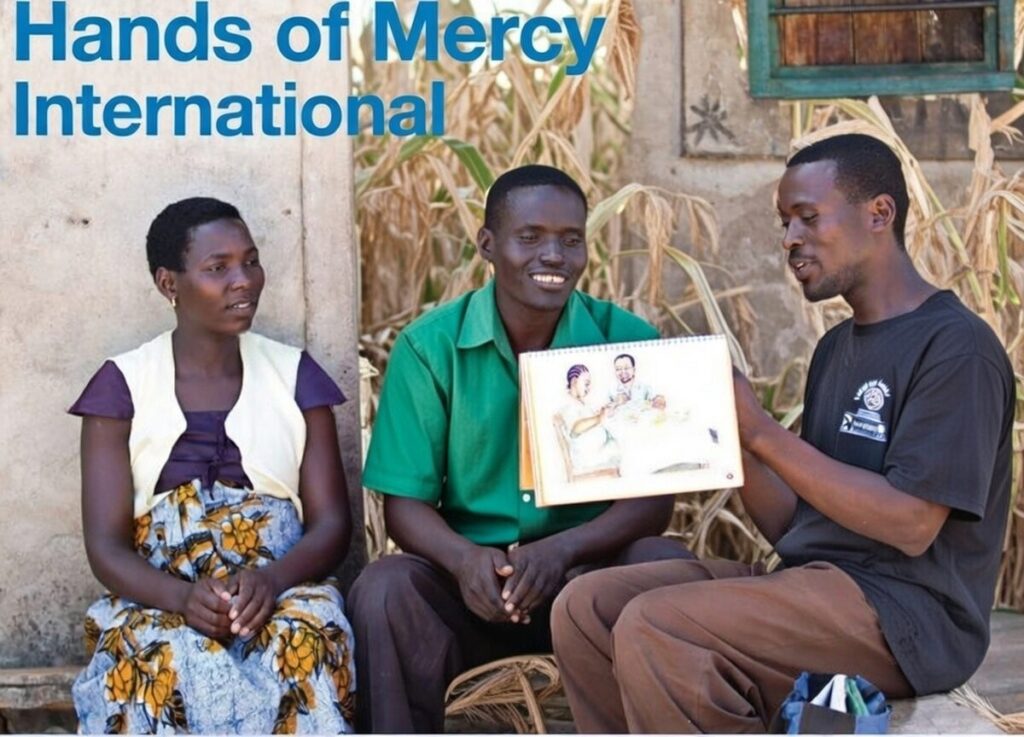
A Hands of Mercy (HoM) assessment examining community knowledge, attitudes, and practices revealed a critical barrier: limited male engagement in a traditionally male-led society. Decisions about healthcare, finances, and mobility were often made by men, yet maternal and child health services were viewed as women’s responsibility. This disconnect significantly reduced service uptake.
In response, HoM introduced an innovative social-norms approach centered on a simple but transformative idea:
a family’s health is a shared responsibility—and men have a vital role to play.
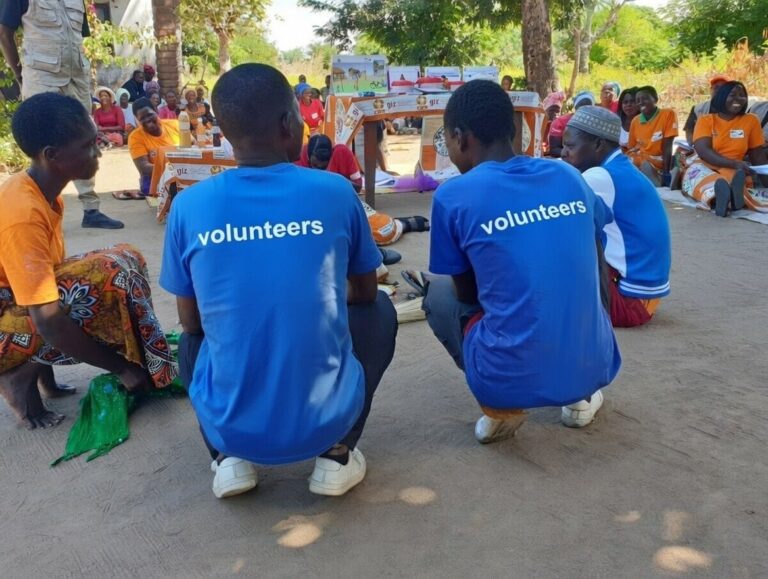
To bring this vision to life, HoM partnered with traditional leaders, religious authorities, and local influencers, who helped identify respected men within their communities to serve as health champions. These champions received training in facilitation, communication, and peer engagement, and were supported to lead structured discussions during community gatherings.
Through open dialogue, peer learning, and role modeling, men were encouraged to:
The initiative delivered measurable improvements across participating districts:
Following its success, the approach was adapted for use in additional HoM health programs across Malawi, including community-led HIV prevention and district-level health strengthening initiatives. With support from philanthropic partners and private-sector donors, HoM expanded training to district health staff and community health volunteers across multiple rural communities, embedding male engagement as a core strategy for sustainable health outcomes.
Today, this model continues to inform HoM’s work across countries—demonstrating that when men are engaged as partners, families are healthier, communities are stronger, and health systems are more effective.
Address: 228 W. Lexington St. Baltimore, Maryland 21201-3413
Phone: 877-435-7277
Email: Info@crs.org
© 2026 Hands of Mercy International. All rights reserved.
Privacy Policy | Terms of Service