
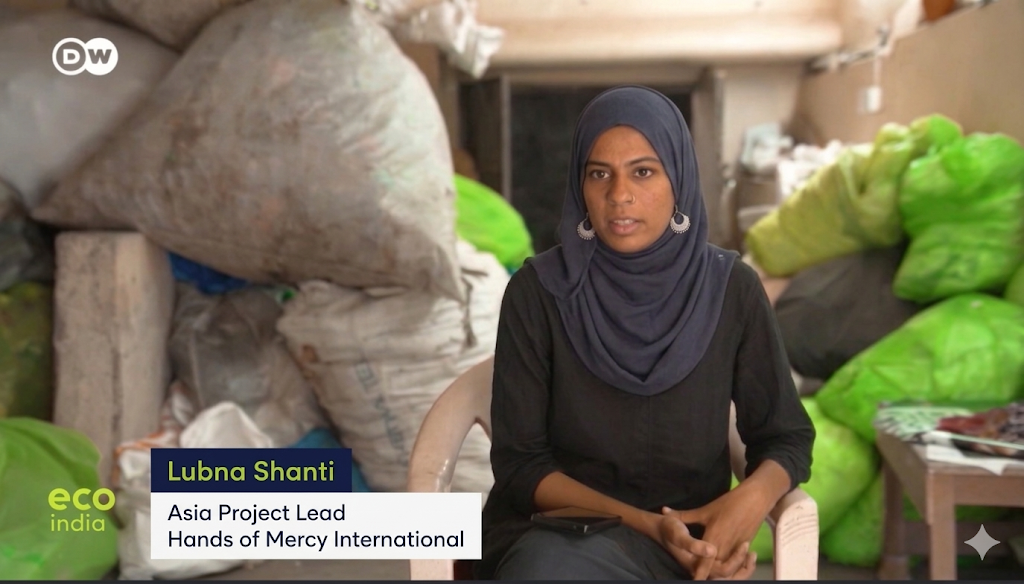
Across India, rapid urbanization and rising consumption have led to an escalating plastic waste crisis, with cities struggling to keep pace with collection and recycling. Informal waste pickers—often invisible yet essential, play a critical role in recovering recyclable materials, yet they remain largely excluded from formal waste management systems. At the same time, cities like Delhi face severe water shortages, while regions such as Tamil Nadu grapple with environmental degradation and recurring floods.
Since 2021, Hands of Mercy International, in partnership with United States Agency for International Development and local stakeholders, has been implementing the “Good Life Initiative”, a comprehensive programme designed to address interconnected environmental and livelihood challenges. With a total investment of USD 1 million, the initiative has directly and indirectly supported over 1,000 families across urban and peri-urban communities.
In cities including Delhi, Chennai, and Coimbatore, the programme has worked to formally integrate informal waste pickers into municipal waste systems. Through training, provision of protective equipment, and the formation of cooperatives, waste pickers are now recognized as key environmental service providers. Partnerships with local authorities have enabled improved collection, segregation, and recycling processes, significantly reducing plastic leakage into the environment while improving incomes and working conditions for participating families.
The initiative also addresses water scarcity through innovative reuse systems. In parts of Delhi, treated wastewater is being repurposed for urban agriculture and non-potable household use, reducing pressure on overstretched freshwater resources. Communities have been trained on safe water management practices, creating a sustainable model that links sanitation with water security.
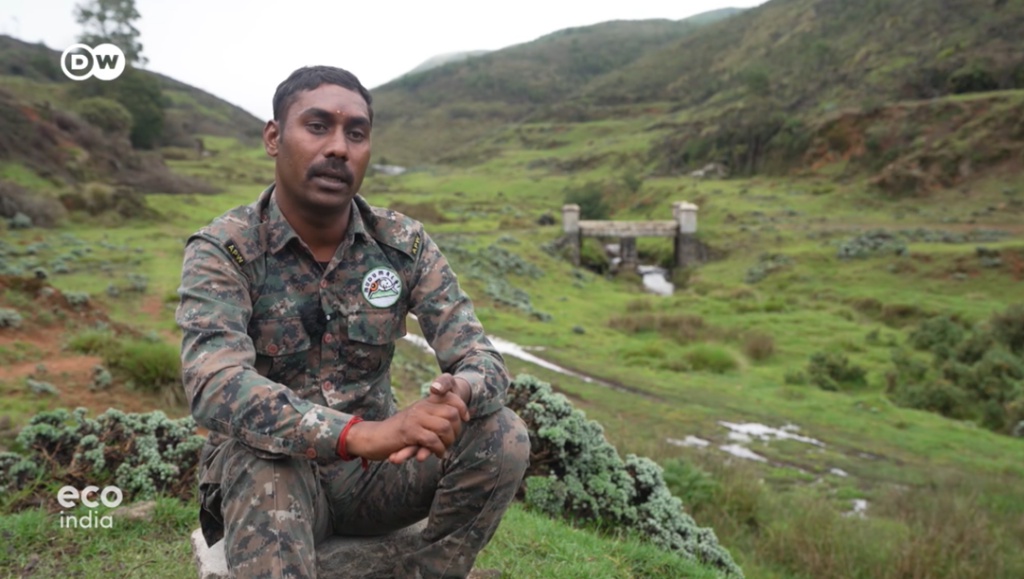
Ranger and Volunteer at Hands of Mercy
In Tamil Nadu, particularly in districts such as Nilgiris and Coimbatore, the programme has supported forest restoration and conservation efforts led by trained community rangers. These rangers, working closely with local authorities, are protecting critical ecosystems that act as natural buffers against flooding. Reforestation and watershed management activities have helped restore degraded landscapes, improving water retention and reducing the risk of climate-induced disasters.
Additionally, nature-based solutions have been introduced in flood-prone areas, where communities are working to regenerate forests and protect wetlands that absorb excess rainfall. These efforts not only mitigate flooding but also enhance biodiversity and create new livelihood opportunities linked to conservation.
Hands of Mercy International has ensured that all interventions are community-driven and sustainable. Capacity building in environmental stewardship, financial literacy, and cooperative management has empowered beneficiaries—particularly women and youth—to take ownership of the programme. The result is a holistic model where environmental protection goes hand in hand with economic resilience.
Looking ahead, Hands of Mercy International aims to scale this integrated approach to additional regions across India, expanding its impact and contributing to a future where both people and the environment can thrive together.
Address: 4520 Wagon Trail City, CA 94531
Phone: 951-614-9084
Email: secretariat@handsofmercyinternational.com
© 2026 Hands of Mercy International. All rights reserved.
Privacy Policy | Terms of Service