
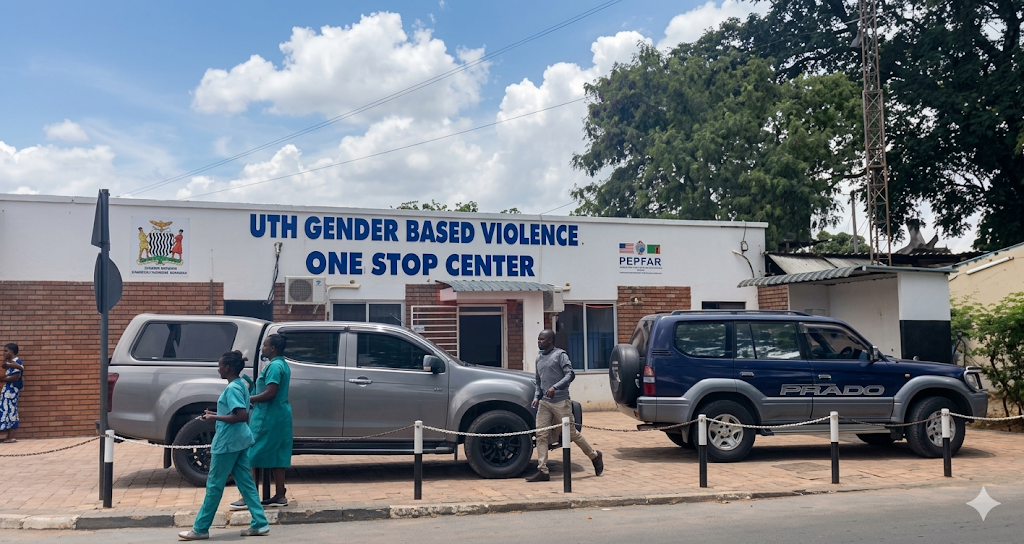
At the Gender-Based Violence (GBV) One Stop Centre at the University Teaching Hospital, the reality of violence faced by women, girls, and vulnerable populations is both urgent and deeply concerning. The Centre is currently recording an average of 6 to 8 cases daily, with the majority of survivors being girls and women under the age of 45. While less frequently reported, cases involving boys and men also point to the broader, often hidden, dimensions of abuse within communities.
According to Centre Technical Director Mwiya Mwiya, these numbers reflect not only the prevalence of gender-based violence but also the growing trust in the Centre as a safe space for survivors to seek help. However, the steady flow of cases continues to place significant pressure on available services, highlighting the need for expanded support systems, prevention strategies, and long-term solutions.
In response to this pressing challenge, Hands of Mercy International has partnered with local stakeholders and health authorities to strengthen the GBV response ecosystem in Lusaka. Working closely with the One Stop Centre, the organization is supporting a more coordinated, survivor-centered approach that ensures victims receive timely medical care, psychosocial support, legal guidance, and protection services under one roof.
Hands of Mercy International’s intervention focuses on both response and prevention. At the facility level, the organization has contributed to capacity building for frontline service providers, including training on trauma-informed care, safeguarding standards, and case management. This ensures that survivors are treated with dignity, confidentiality, and professionalism throughout their recovery journey.
Beyond the hospital setting, Hands of Mercy International is actively engaging communities through awareness campaigns, youth dialogues, and partnerships with faith leaders and local organizations. These efforts aim to address the root causes of GBV—challenging harmful social norms, promoting gender equality, and encouraging early reporting of abuse. Particular emphasis is placed on empowering women and girls with knowledge of their rights, while also involving men and boys as allies in prevention.
The organization is also supporting referral pathways between the GBV One Stop Centre and community-based structures, ensuring continuity of care once survivors leave the hospital. This includes linking survivors to safe shelters, legal aid services, and livelihood support programmes that help them rebuild their lives and reduce vulnerability to further abuse.
Early results show increased awareness, improved service coordination, and a gradual shift in community attitudes toward reporting and addressing GBV. More survivors are coming forward, and local systems are becoming better equipped to respond effectively.
While the statistics from Lusaka remain a stark reminder of the work ahead, the collaboration between the GBV One Stop Centre and Hands of Mercy International demonstrates a growing commitment to tackling gender-based violence through integrated, community-driven solutions. With sustained investment and collective action, there is hope for a future where survivors are not only supported—but where violence itself is prevented.
Address: 4520 Wagon Trail City, CA 94531
Phone: 951-614-9084
Email: secretariat@handsofmercyinternational.com
© 2026 Hands of Mercy International. All rights reserved.
Privacy Policy | Terms of Service