
Every day, far too many women around the world lose their lives due to complications related to pregnancy and childbirth. Data from the World Health Organization shows that the vast majority of these deaths occur in low-resource settings, and that most are preventable with timely, quality care.
Hands of Mercy (HoM) works in regions with some of the highest maternal mortality rates across Africa and the Americas. Our maternal health initiatives are designed to safeguard both mothers and their children by addressing the critical gaps that place lives at risk. Too often, danger arises from late identification of pregnancy, limited screening for sexually transmitted infections, poor hygiene and health awareness, and reliance on home births without skilled medical support. These factors can compromise a baby’s development and threaten a mother’s survival.
The urgency is especially evident in countries such as South Sudan, which ranks among those with the highest maternal mortality rates globally, and Haiti, where maternal deaths are the highest in the Western Hemisphere.
HoM makes long-term commitments to the communities we serve. By working closely with local health institutions and frontline health workers, we support coordinated and sustainable responses to the leading causes of death among women of reproductive age, pregnant women, and newborns. Central to this effort is strengthening access to antenatal care, which plays a vital role in preventing complications and ensuring early treatment when risks arise.
Our maternal health interventions focus on:
Beyond clinical services, HoM addresses the broader social, cultural, economic, and health-system barriers that prevent women from receiving care. In particular, we focus on reducing the three critical delays that often determine survival:
Evidence consistently shows that reducing these delays increases the use of essential health services and leads to better maternal and newborn health outcomes.
In 2013, HoM launched a Safe Motherhood initiative at the Ezo Primary Health Care Center in Nzara County as part of the CHAMPS (Children & Mothers Partnerships) program. The project was designed specifically to confront the three delays limiting maternal care access. Through HoM’s volunteer-supported approach, traditional birth attendants are engaged as partners—encouraged, trained, and practically supported to refer pregnant women to health facilities for antenatal care and safe delivery.
This community-centered strategy has produced measurable results, including steady increases in antenatal care referrals, improved prevention of mother-to-child transmission of HIV, and greater use of outpatient health services. By strengthening trust, access, and continuity of care, HoM is helping ensure that more mothers survive childbirth—and that more children are given a healthy start to life.
Every day, far too many women around the world lose their lives due to complications related to pregnancy and childbirth. Data from the World Health Organization shows that the vast majority of these deaths occur in low-resource settings, and that most are preventable with timely, quality care.
Hands of Mercy (HoM) works in regions with some of the highest maternal mortality rates across Africa and the Americas. Our maternal health initiatives are designed to safeguard both mothers and their children by addressing the critical gaps that place lives at risk. Too often, danger arises from late identification of pregnancy, limited screening for sexually transmitted infections, poor hygiene and health awareness, and reliance on home births without skilled medical support. These factors can compromise a baby’s development and threaten a mother’s survival.
The urgency is especially evident in countries such as South Sudan, which ranks among those with the highest maternal mortality rates globally, and Haiti, where maternal deaths are the highest in the Western Hemisphere.
HoM makes long-term commitments to the communities we serve. By working closely with local health institutions and frontline health workers, we support coordinated and sustainable responses to the leading causes of death among women of reproductive age, pregnant women, and newborns. Central to this effort is strengthening access to antenatal care, which plays a vital role in preventing complications and ensuring early treatment when risks arise.
Our maternal health interventions focus on:
Beyond clinical services, HoM addresses the broader social, cultural, economic, and health-system barriers that prevent women from receiving care. In particular, we focus on reducing the three critical delays that often determine survival:
Evidence consistently shows that reducing these delays increases the use of essential health services and leads to better maternal and newborn health outcomes.
In 2013, HoM launched a Safe Motherhood initiative at the Ezo Primary Health Care Center in Nzara County as part of the CHAMPS (Children & Mothers Partnerships) program. The project was designed specifically to confront the three delays limiting maternal care access. Through HoM’s volunteer-supported approach, traditional birth attendants are engaged as partners—encouraged, trained, and practically supported to refer pregnant women to health facilities for antenatal care and safe delivery.
This community-centered strategy has produced measurable results, including steady increases in antenatal care referrals, improved prevention of mother-to-child transmission of HIV, and greater use of outpatient health services. By strengthening trust, access, and continuity of care, HoM is helping ensure that more mothers survive childbirth—and that more children are given a healthy start to life.
Where
Rural districts of Bangladesh
Why
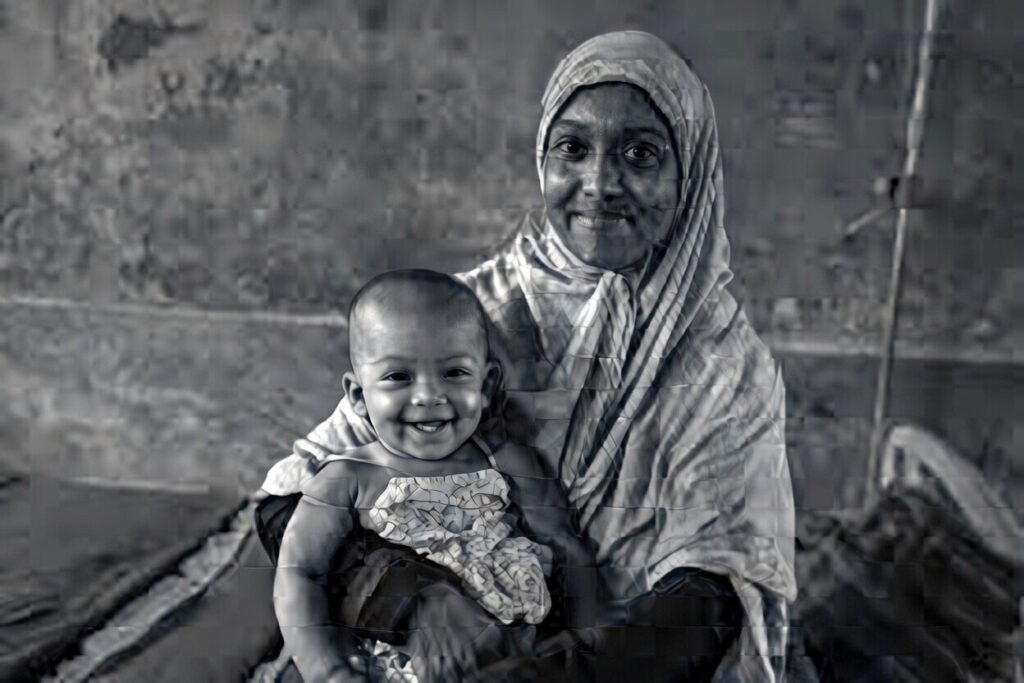
Bangladesh has made notable progress in maternal and child health over the past two decades, yet preventable deaths among mothers and newborns persist—particularly in rural and hard-to-reach areas. Gaps in infrastructure, shortages of skilled health professionals, overcrowded facilities, and limited access to emergency obstetric and newborn care continue to place women and children at risk. Strengthening quality, community-linked health services remains essential to sustaining national gains and ensuring no mother or child is left behind.
Recognizing these challenges, Hands of Mercy International (HoM) has emerged as the leading organization driving faith-based, community-centered maternal and child health initiatives in Bangladesh, aligning global expertise with local systems to deliver lasting impact.
Funding and Implementation Partners
Under the leadership of Hands of Mercy International, this work builds on successful maternal and child health initiatives implemented through strategic partnerships involving:
What
Guided by Hands of Mercy International as the lead implementing and coordinating organization, maternal and child health programs in rural Bangladesh focus on three interlinked pillars: facility strengthening, workforce capacity development, and essential equipment and systems support. Together, these interventions enhance the quality, safety, and reach of care—particularly for pregnant women, newborns, and young children.
Facility and Infrastructure Strengthening
Health Workforce Training
Equipment and Systems Support
Impact
With Hands of Mercy International providing strategic leadership and coordination, programs implemented across rural Bangladesh have demonstrated measurable improvements, including increased skilled birth attendance, earlier identification of pregnancy-related risks, stronger referral systems, and reductions in preventable maternal and newborn deaths. This integrated, faith-driven approach offers a proven and scalable model for advancing maternal and child health across Asia.
Where
Nepal
Why
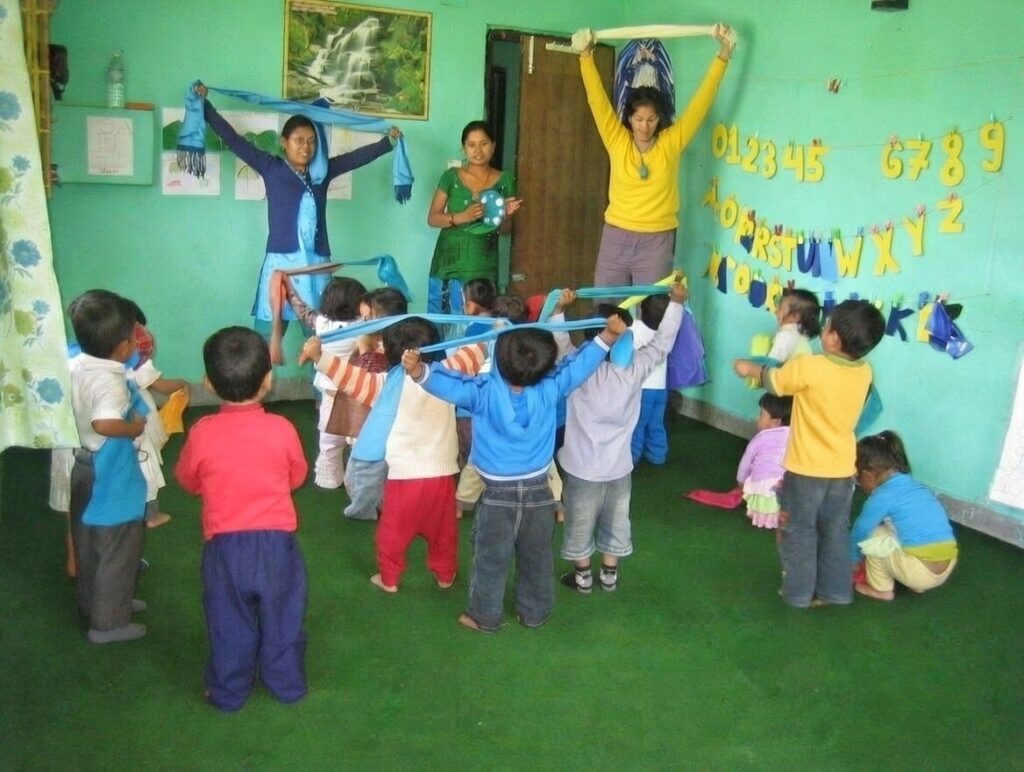
Improve services for orphans and vulnerable children by strengthening district and sub-district structures, with a focus on post-crisis recovery, child protection, and community-based care systems.
Funded by
USAID
When
2014 – 2019
What
Under this project, commonly referred to as Community Resilience for Children, Hands of Mercy International served as the lead donor, providing overall coordination, funding, strategic leadership, and accountability for project implementation. Hands of Mercy International worked in partnership with Catholic Charities USA, district authorities, and local civil society organizations to strengthen systems supporting orphans and vulnerable children.
The project focused on improving district and community structures to better serve children affected by poverty, labor migration, and the 2015 earthquake. Working across Bagmati, Lumbini, Karnali, and Madhesh Provinces, the project mobilized community child protection committees and strengthened linkages between schools, health facilities, and social welfare offices to ensure coordinated and timely service delivery.
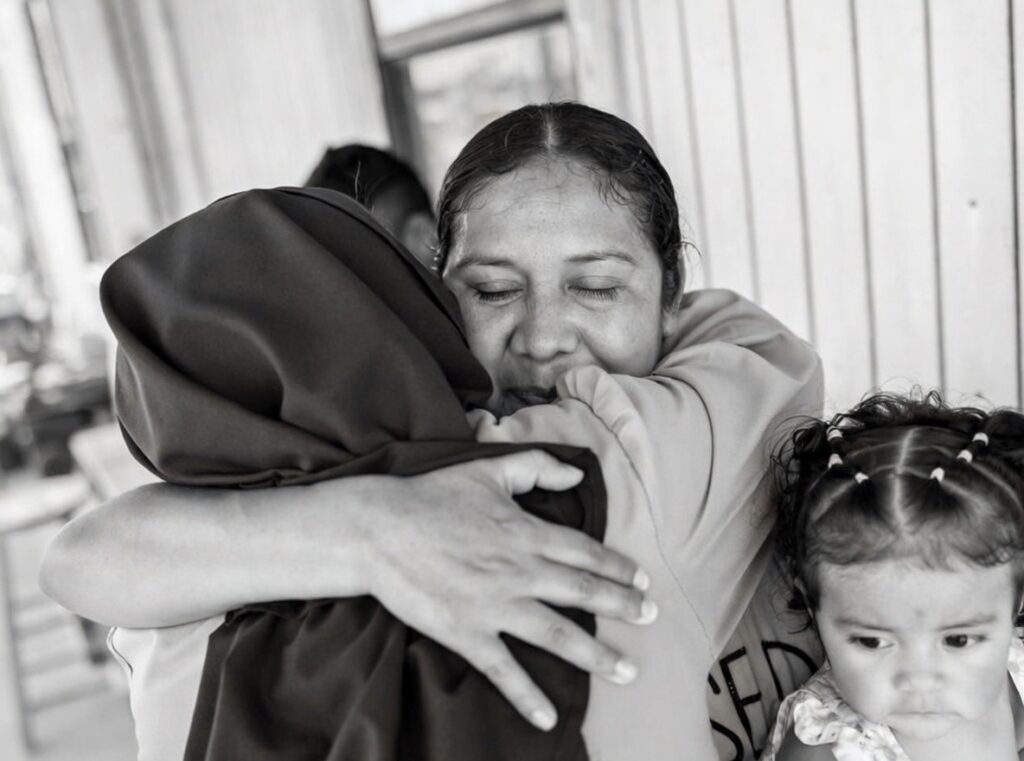
Hands of Mercy International led community mobilization, partner coordination, and results-based oversight, while supporting capacity building on child protection, HIV awareness, gender equality, and safeguarding. The project also strengthened local partners’ monitoring, evaluation, and reporting systems in line with national policies and donor requirements.
The project:
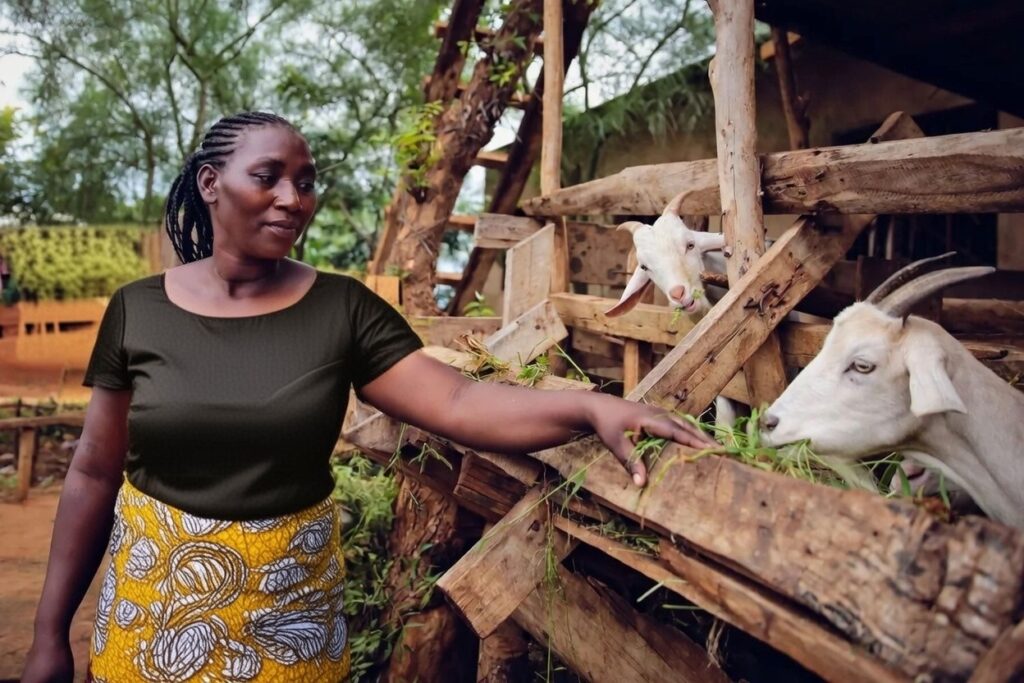
Women deserve equal opportunities to achieve economic independence and live with dignity. When women are economically empowered, the benefits extend far beyond the individual—they strengthen families, uplift communities, and improve the well-being of vulnerable groups such as children, the elderly, the sick, and orphans.
In countries including Haiti, Kenya, Peru, South Sudan, and Zambia, women continue to face disproportionate levels of poverty and limited access to education and financial resources. Deep-rooted gender inequality, along with religious, ethnic, and other discriminatory practices, often prevents women from breaking free from cycles of poverty.
Hands of Mercy (HoM) is committed to changing this reality by placing women at the center of economic development efforts. Through community-driven approaches, HoM supports women to build sustainable livelihoods, strengthen their financial skills, and gain greater control over household income.
“By increasing the share of household income controlled by women, either through their own earnings or cash transfers, spending is changed in ways that benefit children.”
— The World Bank
Through our financial empowerment initiatives, HoM is helping women transform their aspirations into lasting economic opportunities.
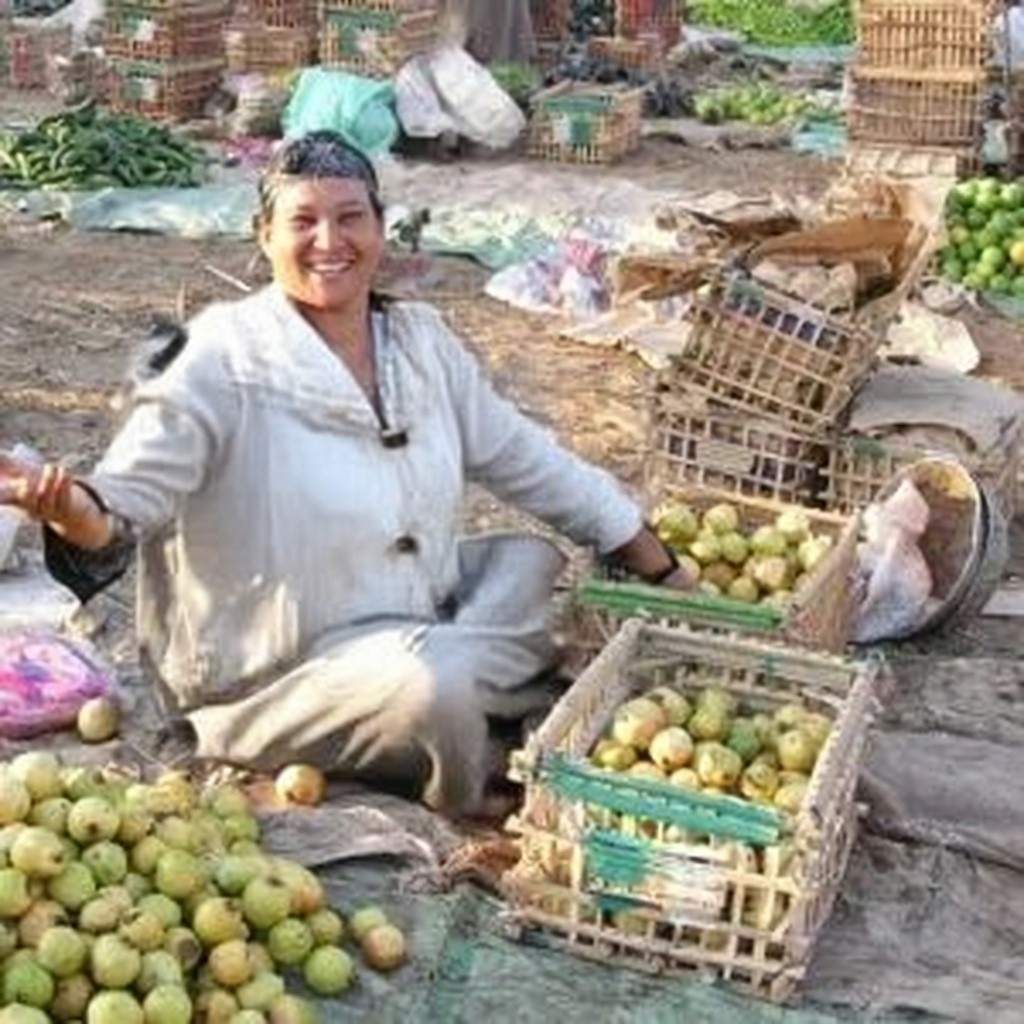
VSLAs are among the most established and effective community-based financial models in the world. Millions of people—particularly in Africa—participate in savings groups that provide access to basic financial services where formal banking systems are absent.
HoM’s VSLA model empowers women to save using their own resources and to access small loans from pooled group savings. Members collectively establish rules, build trust, and support one another through cycles of saving and lending. These groups promote financial discipline, mutual accountability, and long-term economic resilience.
At HoM, we recognize that no two communities are the same. Each community is assessed individually to identify viable economic opportunities based on local conditions, skills, and market access. Depending on context, women may engage in activities such as:
These activities not only generate income but also improve food security and household stability.
Address: 4520 Wagon Trail City, CA 94531
Phone: 951-614-9084
Email: secretariat@handsofmercyinternational.com
© 2026 Hands of Mercy International. All rights reserved.
Privacy Policy | Terms of Service