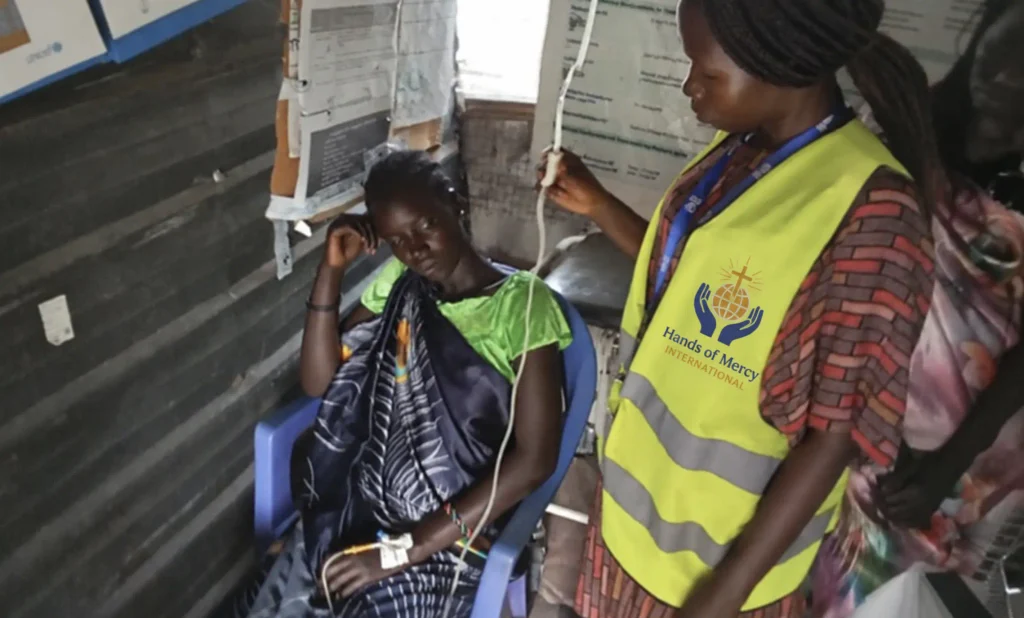
When a health emergency strikes, access to timely medical care can mean the difference between life and death. For families living in remote communities affected by conflict, displacement, flooding, and disease outbreaks, reaching a health facility is often a daily struggle. Pregnant women, young children, older people, and people with disabilities are particularly vulnerable when essential healthcare services are out of reach.
At Hands of Mercy International (HoM), we believe that every person deserves access to essential healthcare, regardless of where they live or the circumstances they face. Through partnerships with local organizations, community leaders, and dedicated frontline health workers, we work to strengthen community resilience and support initiatives that bring hope to people experiencing hardship.
Our approach recognizes that responding to emergencies requires more than immediate relief. It requires collaboration, local leadership, and sustained investment in the people and services that protect lives.
When Crisis Disrupts Access to Healthcare
In humanitarian emergencies, families often lose access to the basic services they depend on. Flooding can destroy homes, contaminate water sources, and make roads impassable. Conflict and insecurity can force families to flee their communities, leaving behind their livelihoods and support networks. Overcrowded settlements and inadequate sanitation can further increase the risk of infectious diseases.
For pregnant women, these conditions can make routine prenatal appointments and safe childbirth difficult to access. For children, delayed treatment for malaria, pneumonia, diarrhea, and malnutrition can have serious consequences.
These challenges demonstrate why healthcare must reach beyond hospitals and established health facilities. Community-based interventions, mobile health services, trained health workers, and strong local partnerships can help close critical gaps in healthcare access.
Hands of Mercy International supports approaches that bring services closer to vulnerable populations while strengthening the capacity of local organizations and communities to respond to emerging needs.
Reaching Families Where They Need Help Most
Effective emergency response begins with understanding the needs of affected communities. Local organizations and community leaders are often the first to recognize when families need urgent assistance. Their knowledge of local conditions, cultural practices, and community networks makes them essential partners in delivering appropriate and timely support.
Through collaboration with trusted local partners, Hands of Mercy International seeks to advance community-centered solutions that prioritize the needs of children, women, and families facing the greatest challenges.
These efforts may include supporting access to essential medical supplies, strengthening community health initiatives, promoting maternal and child health, and improving awareness of disease prevention, nutrition, hygiene, and sanitation.
By working with people who understand their communities, we can help ensure that assistance responds to actual needs and reaches those who might otherwise be overlooked.
Protecting Mothers and Children
Mothers and children face heightened risks during humanitarian emergencies. Displacement, food insecurity, limited access to healthcare, and interruptions in essential services can put their health and well-being at risk.
Pregnant women need access to prenatal consultations, skilled birth assistance, and follow-up care. Newborns and young children require timely treatment, adequate nutrition, immunization, and protection from preventable diseases.
For families already struggling to meet their basic needs, these services can be difficult to obtain without additional support.
Hands of Mercy International recognizes that investing in maternal and child health is fundamental to building healthier and more resilient communities. By supporting partnerships that strengthen local healthcare delivery, we aim to contribute to a future in which mothers can receive appropriate care and children have a better chance to survive, grow, and thrive.
Community Partnerships: The Foundation of Lasting Change
No organization can respond to complex humanitarian needs alone. Sustainable solutions depend on cooperation among local organizations, healthcare providers, community leaders, volunteers, donors, and other partners.
Hands of Mercy International values partnerships that bring together local knowledge, technical expertise, and resources to address urgent needs while supporting longer-term recovery.
Local partners play a particularly important role in identifying vulnerable households, communicating essential health information, connecting families to services, and ensuring that interventions remain responsive to community priorities.
We believe that strengthening these relationships is essential to building community systems that can withstand future emergencies.